
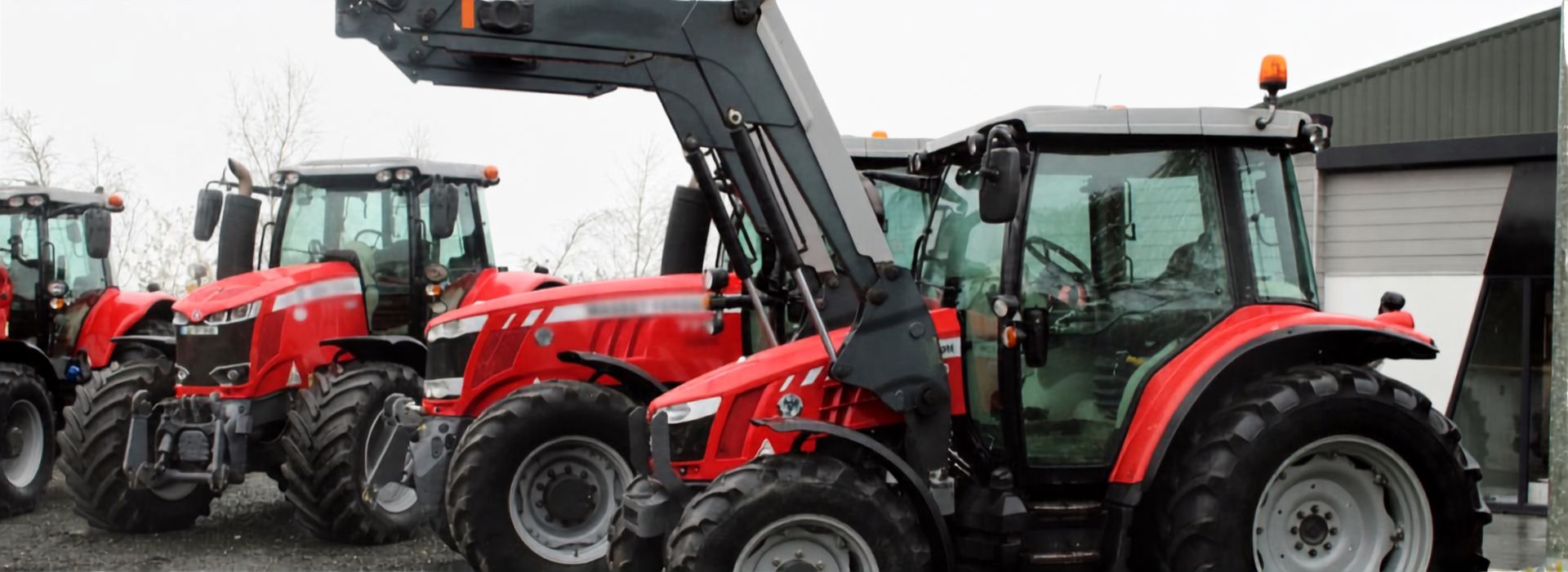
TLDR: If your Massey Ferguson PTO engages but slips or stops under load, the fault could involve the PTO switch, solenoid, hydraulic pressure, control valve, clutch pack or internal mechanical wear. This guide explains the most common Massey Ferguson PTO problems and the checks that can help identify the cause.
A Massey Ferguson PTO that engages normally with no implement attached but then slows, slips or stops when placed under load can indicate a fault in the electrical, hydraulic or mechanical PTO system.
On many modern tractors, the PTO is not simply engaged by a mechanical lever. Massey Ferguson uses electro-hydraulic PTO engagement on a number of models, meaning the Massey Ferguson PTO switch, electrical controls, hydraulic pressure, control valve and internal clutch pack all play a part in transmitting power.
Massey Ferguson’s own information for the MF 5M confirms that its independent PTO clutch is electro-hydraulically engaged and that engagement is regulated to protect the implement driveline. You can read this directly on the Massey Ferguson MF 5M product page.
If you are experiencing Massey Ferguson PTO problems, working through the system in a logical order can help avoid replacing expensive parts unnecessarily.
-
Check the Massey Ferguson PTO Switch and Electrical System
When a Massey Ferguson PTO is not working, the electrical system is one of the best places to start.
Many modern Massey Ferguson tractors use a rocker switch to request PTO engagement. The switch sends an electrical signal to the tractor’s control system, which then operates the PTO engagement solenoid and hydraulic circuit.
Possible electrical problems include:
- Faulty Massey Ferguson PTO switch
- Blown fuse
- Damaged wiring
- Loose electrical connection
- Corroded connector
- Poor earth connection
- Faulty PTO engagement solenoid
- Failed PTO speed or position sensor
- Safety-interlock fault
Massey Ferguson specifically states that the MF 5M independent PTO uses a three-position rocker switch and electro-hydraulic clutch engagement. More information is available directly from the Massey Ferguson MF 5M PTO specification.
An intermittent electrical problem can be particularly confusing. The PTO may work when the tractor is first started but disengage later due to heat, vibration or movement affecting a poor electrical connection.
Check the switch, wiring, electrical plugs and fuses before assuming the tractor has an internal PTO clutch failure.
For tractors with electronic diagnostics, fault codes can also help narrow the problem down. AGCO provides operator manuals and diagnostic resources through its AGCO Service & Information Resources portal.
-
Low Hydraulic Pressure to the PTO Clutch
Hydraulic pressure is one of the most important areas to investigate when a tractor PTO won’t engage properly under load.
On an electro-hydraulic PTO, transmission oil pressure is used to apply the PTO clutch pack. The clutch plates must be clamped together strongly enough to transfer engine torque through the PTO driveline.
If hydraulic pressure is slightly below specification, there may still be enough pressure to rotate an unloaded PTO shaft.
However, when a mower, baler, topper, spreader or other implement begins demanding significant power, the clutch can start slipping.
Possible causes of low PTO pressure include:
- Low transmission or hydraulic oil level
- Incorrect oil specification
- Restricted transmission filter
- Worn hydraulic pump
- PTO pressure-regulating valve fault
- Internal hydraulic leakage
- Worn piston seals
- Faulty PTO control valve
Before dismantling the PTO, check the transmission oil level and condition and establish when the filters were last replaced.
The next step may be to measure PTO clutch application pressure using the manufacturer’s specified test point and pressure value.
AGCO’s official Service and Information Resources provide access to operator manuals, workshop information and diagnostic fault-code information for supported machines.
-
Worn Massey Ferguson PTO Clutch Pack
A worn Massey Ferguson PTO clutch is one of the most common serious causes of a PTO that operates normally without load but slips once substantial torque is required. Independent PTO clutch packs typically contain a series of friction and steel plates. When hydraulic pressure is applied, these plates are compressed together and transfer engine power into the PTO driveline.
Massey Ferguson describes the PTO on the MF 5M as a modern independent clutch that is electro-hydraulically engaged and gradually takes up the drive to protect the implement driveline. This can be seen in the official Massey Ferguson MF 5M brochure.
When friction plates become worn, burnt or damaged, they may no longer be capable of transmitting the required torque.
Typical symptoms include:
- PTO rotates correctly with no load
- PTO slows when the implement begins working
- PTO stops under heavy load
- Engagement takes longer than normal
- PTO appears to slip before reaching full speed
- Transmission oil becomes unusually hot
- Oil has a burnt smell
- Friction material or metallic debris appears in the oil or filter
Continuing to use a badly slipping PTO clutch can make the problem substantially worse.
Clutch slip generates heat. That heat can damage the friction discs, steel plates, piston seals and surrounding components.
-
PTO Solenoid or Control Valve Problems
Between the electrical PTO switch and the internal clutch pack is the hydraulic control system. When the operator switches the PTO on, an electrical solenoid typically controls a hydraulic valve that directs oil pressure towards the PTO clutch.
A PTO solenoid or control valve can fail because of:
- Electrical coil failure
- Internal wear
- Contaminated oil
- Sticking valve spool
- Damaged seals
- Restricted hydraulic passages
A solenoid that makes an audible clicking noise is not necessarily working correctly. The electrical coil may be moving while the hydraulic valve itself remains partially stuck or restricted. This can result in enough pressure for light engagement but insufficient clutch pressure once load is applied.
A proper diagnosis may therefore involve checking both electrical voltage at the solenoid and hydraulic pressure downstream of the valve.
-
Internal Hydraulic Leakage
Another possible cause of Massey Ferguson PTO problems is internal oil leakage. The tractor’s main hydraulic system may appear to operate normally while the PTO clutch circuit struggles to maintain pressure.
Possible sources include:
- Worn PTO clutch piston seals
- Damaged O-rings
- Worn sealing rings
- Internal control-valve leakage
- Damaged PTO clutch piston
When oil bypasses internally, less pressure is available to clamp the PTO clutch plates together.
This can explain why the PTO appears perfectly normal without an implement but begins slipping immediately when torque demand increases.
Pressure testing is particularly useful here because it helps distinguish between an electrical control problem, hydraulic supply problem and internal clutch or seal failure.
AGCO’s Service and Information Portal include access to service information, workshop manuals and diagnostic material for supported machines.
-
Check the Implement Before Blaming the Tractor
Not every tractor PTO that won’t engage under load has a fault inside the tractor.
The implement itself could be creating excessive resistance.
Check for:
- Seized implement bearings
- Damaged universal joints
- Tight or damaged PTO shaft
- Incorrect PTO shaft length
- Failing implement gearbox
- Wrapped grass, wire or debris
- Seized rotor or driveline components
- Excessive implement load
Penn State Extension explains that the tractor PTO transfers mechanical power through the PTO shaft to the attached machine and that agricultural PTO systems commonly operate at either 540 rpm or 1,000 rpm.
Their guide also provides useful information on PTO driveline components and inspection. See Penn State Extension – Power Take-Off (PTO) Safety.
Disconnect and inspect the implement safely before concluding that the tractor requires a major repair.
-
Mechanical PTO Driveline Wear
If the electrical controls are operating correctly and hydraulic clutch pressure meets specification, mechanical damage should be considered.
Potential failure points include:
- PTO shaft splines
- Internal PTO shafts
- Drive gears
- Couplings
- Bearings
- Selector components
- Retaining circlips
- PTO brake components
Worn splines can sometimes still transfer a small amount of torque.
This means the shaft may rotate normally while unloaded but slip or fail once a demanding implement is connected.
Grinding, rattling or knocking noises during PTO engagement can also suggest mechanical damage rather than a simple switch or hydraulic problem.
A Sensible Massey Ferguson PTO Troubleshooting Order
When diagnosing a Massey Ferguson PTO not working correctly, start with the easiest and least invasive checks:
- Check the Massey Ferguson PTO switch and fuses.
- Inspect wiring, connectors and earth connections.
- Check for dashboard fault codes.
- Check transmission/hydraulic oil level.
- Inspect oil condition and replace overdue filters.
- Test the PTO engagement solenoid.
- Measure PTO clutch hydraulic pressure.
- Investigate the PTO control valve and internal leakage.
- Inspect the clutch pack if pressure is correct but slipping continues.
- Check internal shafts, gears, splines and bearings.
This systematic approach is particularly important on electro-hydraulic systems. Massey Ferguson explains that its modern independent PTO clutch uses regulated electro-hydraulic engagement to gradually take up the drive and protect the driveline. See the official Massey Ferguson MF 5M PTO information.
Possible Replacement Parts
Depending on what testing identifies, possible replacement parts may include:
- Massey Ferguson PTO switch
- PTO engagement solenoid
- PTO control valve
- PTO clutch friction plates
- PTO clutch steel plates
- PTO clutch piston seals and O-rings
- Hydraulic/transmission filter
- PTO speed or position sensor
- Hydraulic pressure-regulating valve
- Electrical connectors or wiring
- PTO bearings
- PTO shafts, splines or couplings
Final Thoughts
When a tractor PTO won’t engage under load, don’t immediately assume the Massey Ferguson PTO clutch needs replacing.
Electrical faults, a faulty PTO switch, weak solenoid, contaminated control valve, restricted filter, low hydraulic pressure or internal leakage can all produce very similar symptoms. Start with basic electrical and oil checks before testing clutch application pressure and moving towards internal repairs. If the PTO is clearly slipping, avoid repeatedly operating it under heavy load. Continued clutch slip creates heat and can turn a relatively straightforward fault into a much more expensive repair.
Working systematically through the electrical, hydraulic and mechanical systems is the best way to identify the real cause of Massey Ferguson PTO problems and replace only the components that are actually faulty.
Browse and Buy our replacement Massey Ferguson tractor parts here.
Wish to speak with a member of our team? Please get in touch via our Contact page.